Best OCD Treatment in Thane
- Compassionate, personalized care for Obsessive-Compulsive Disorder (OCD).
- Evidence-based therapies, including Exposure and Response Prevention (ERP), Cognitive Behavioral Therapy (CBT), and mindfulness techniques.
- A supportive, stigma-free environment with experienced mental health professionals.
- Medication management, when necessary, under careful psychiatric supervision.
- Begin your journey to managing OCD with clarity and confidence today.
How It Works
- Step 1: Schedule your initial consultation with our expert OCD team.
- Step 2: Develop a deep understanding of your OCD symptoms, triggers, and patterns.
- Step 3: Receive a personalized treatment plan that includes Exposure and Response Prevention (ERP), Cognitive Behavioral Therapy (CBT), and/or medication.
- Step 4: Participate in regular therapy sessions to monitor progress, refine strategies, and address challenges.
- Step 5: Long-term support to prevent relapse and build emotional resilience for lasting change.

Benefits of OCD Treatment
- Reduced obsessive thoughts, compulsive behaviors, and anxiety.
- Improved ability to manage daily activities and responsibilities.
- Enhanced emotional regulation and coping strategies.
- Stronger relationships and better interpersonal communication.
- Increased confidence, mental clarity, and peace of mind.
Meet Our Experts
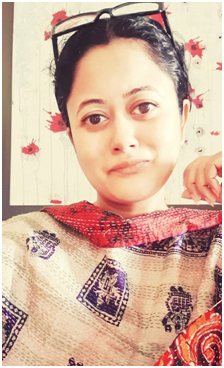
Dr. Varsha Dutta Pujari
Consultant
MS (Cognitive Neuropsychology, U.K.)
PhD (I.P. Psychedelic Medicine, U.K.)
Dr. Varsha Dutta Pujari is a Clinical Neuropsychologist, with consultant-level expertise in the management of adult and pediatric neurocognitive, emotional and behavioral disorders.
Education
- MS (Cognitive Neuropsychology, U.K.)
- PhD (I.P. Psychedelic Medicine, U.K.)
Why Choose Us
Thane Best OCD Treatment
Cover Almost All the Medical and Health Insurance
24/7 Emergency Care
What Our Patients Say About Us
Great experience. Dr. Varsha Dutta Pujari was exceptional. They took the time to thoroughly explain my dads condition, answer all my questions, and make sure I felt comfortable with the treatment plan. I was impressed by their expertise, patience, and genuine care. It’s clear that Dr. Varsha Dutta Pujari is highly skilled and truly dedicated to the well-being of their patients. Also The hospital itself is modern, clean, and well-maintained, which added to my confidence in the quality of care.
FAQ
1. What is Obsessive-Compulsive Disorder (OCD)?
OCD is a mental health condition characterized by persistent, intrusive thoughts (obsessions) and repetitive behaviors or mental acts (compulsions) aimed at reducing the anxiety caused by the obsessions. These obsessions and compulsions can significantly interfere with daily life.
2. How do I know if I have OCD?
If you experience unwanted, distressing thoughts that lead you to perform certain actions or rituals to alleviate anxiety, you may have OCD. These behaviors often feel out of control or excessive, and they take up a significant amount of time in your day. If this sounds like you, it’s best to consult with a healthcare professional for an assessment.
3. What causes OCD?
The exact cause of OCD is not fully understood, but it is thought to involve a combination of genetic, biological, and environmental factors. Neurotransmitter imbalances, particularly in serotonin, are often linked to OCD symptoms. Stress and trauma can also trigger or worsen the condition.
4. What treatments are available for OCD?
Treatment for OCD typically includes:
Cognitive Behavioral Therapy (CBT): Specifically, Exposure and Response Prevention (ERP), which helps you gradually face your fears without performing compulsive behaviors.
Medications: Antidepressants like SSRIs (Selective Serotonin Reuptake Inhibitors) are commonly prescribed to help manage symptoms.
Combination Treatment: Often, the best results come from a combination of therapy and medication.
Mindfulness and Relaxation Techniques: Can be used alongside traditional treatment methods to help manage anxiety.
Contact Us
- Address Ground Floor, Ganatra Industrial Estate, Khopat Rd, near Cadbury Junction, Hans Nagar, Thane West, Thane, Maharashtra 400601, India
- Call Us +91 9429694809
- Email ID lakecityhospitalthane@gmail.com
