
Best Depression Treatment in Thane
- Compassionate, personalized care for overcoming depression.
- Evidence-based therapies, including Cognitive Behavioral Therapy (CBT), Interpersonal Therapy (IPT), and mindfulness strategies.
- A supportive, stigma-free environment with experienced mental health professionals.
- Medication management, when appropriate, under expert psychiatric supervision.
- Take the first step toward reclaiming your joy, peace, and emotional well-being today.
How It Works
- Step 1: Schedule your initial consultation with our expert depression team.
- Step 2: Gain a thorough understanding of your depression symptoms, triggers, and patterns.
- Step 3: Receive a personalized treatment plan that may include Cognitive Behavioral Therapy (CBT), Interpersonal Therapy (IPT), and/or medication.
- Step 4: Participate in regular therapy sessions to track progress, refine coping strategies, and address challenges.
- Step 5: Ongoing support for emotional resilience, relapse prevention, and sustained well-being.
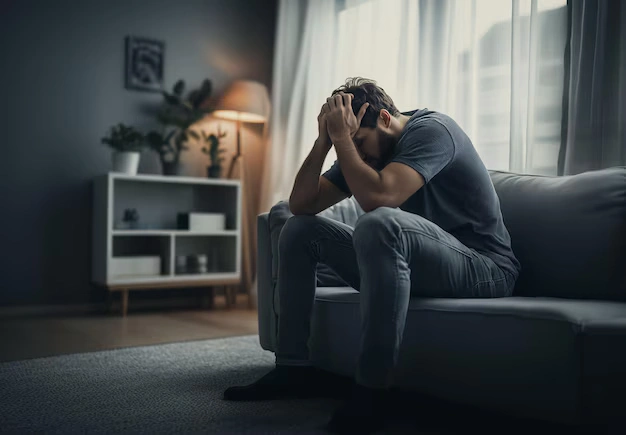
Benefits of Depression Treatment
- Reduced feelings of sadness, hopelessness, and negative thinking.
- Improved energy, motivation, and ability to engage in daily activities.
- Enhanced emotional regulation, resilience, and coping skills.
- Stronger relationships and improved social interactions.
- Increased confidence, clarity, and a renewed sense of purpose.
Meet Our Experts
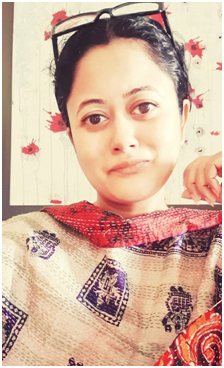
Dr. Varsha Dutta Pujari
Consultant
MS (Cognitive Neuropsychology, U.K.)
PhD (I.P. Psychedelic Medicine, U.K.)
Dr. Varsha Dutta Pujari is a Clinical Neuropsychologist, with consultant-level expertise in the management of adult and pediatric neurocognitive, emotional and behavioral disorders.
Education
- MS (Cognitive Neuropsychology, U.K.)
- PhD (I.P. Psychedelic Medicine, U.K.)
Why Choose Us
Thane Best Depression Doctor
Cover Almost All the Medical and Health Insurance
24/7 Emergency Care
What Our Patients Say About Us
After months of feeling lost and overwhelmed by depression, I finally decided to seek help — and meeting Dr. Varsha Pujari was the turning point. Her ability to listen without judgment and provide clear guidance made every session incredibly meaningful. She helped me understand my emotions, taught me coping techniques, and supported me through every step of recovery. I feel stronger and more balanced today because of her. Highly recommended!
My journey with depression felt endless until I found Dr. Varsha Pujari. Her kindness, patience, and deep understanding of mental health made all the difference. She never rushed me and always checked in to ensure I felt comfortable. Thanks to her guidance, I’ve slowly rebuilt my confidence and peace of mind. Absolutely deserving of 5 stars!
FAQ
1. What is depression?
Depression is a common but serious mental health condition that affects how you feel, think, and handle daily activities. It can cause persistent feelings of sadness, hopelessness, and a lack of interest or pleasure in activities that were once enjoyable. Depression can also cause physical symptoms like fatigue, changes in appetite, and sleep disturbances.
2. How do I know if I have depression?
If you’ve been feeling down, hopeless, or uninterested in things for at least two weeks, you might be experiencing depression. Other symptoms can include fatigue, difficulty concentrating, changes in sleep or appetite, irritability, or thoughts of self-harm or suicide. If you’re experiencing any of these symptoms, it’s important to reach out to a healthcare provider for an evaluation.
3. What causes depression?
Depression can be caused by a combination of genetic, biological, environmental, and psychological factors. It may develop after a stressful life event, trauma, or a significant loss. Brain chemistry imbalances, hormone changes, or a family history of depression can also increase the risk.
4. How is depression treated?
There are several effective treatments for depression, including:
Psychotherapy (Talk Therapy): Cognitive Behavioral Therapy (CBT) and Interpersonal Therapy (IPT) are the most common types used to treat depression. Therapy helps you identify negative thought patterns and develop healthier coping strategies.
Medication: Antidepressants, particularly Selective Serotonin Reuptake Inhibitors (SSRIs) or Serotonin-Norepinephrine Reuptake Inhibitors (SNRIs), can help regulate brain chemicals that affect mood.
Lifestyle Changes: Regular exercise, healthy eating, proper sleep, and stress management techniques like meditation or yoga can support overall well-being and complement other treatments.
Alternative Therapies: In some cases, treatments like Transcranial Magnetic Stimulation (TMS), Electroconvulsive Therapy (ECT), or light therapy may be recommended.
5. How is depression diagnosed?
A licensed mental health professional or doctor evaluates symptoms, their duration, and their impact on daily functioning. They may use questionnaires or interviews to make a diagnosis.
6. Can depression go away on its own?
Sometimes mild depression may improve, but moderate to severe depression typically requires treatment. Seeking help early leads to a faster and stronger recovery.
7. What should I do if someone I know is depressed?
Listen without judgment
Encourage them to seek professional help
Offer emotional and practical support
Watch for warning signs of crisis
If they talk about self-harm, contact emergency services immediately
8. Can depression be prevented?
Not always, but healthy habits may reduce risk:
Building strong social support
Managing stress
Maintaining good sleep routines
Staying physically active
Seeking help early when symptoms arise
Contact Us
- Address Ground Floor, Ganatra Industrial Estate, Khopat Rd, near Cadbury Junction, Hans Nagar, Thane West, Thane, Maharashtra 400601, India
- Call Us +91 9429694809
- Email ID lakecityhospitalthane@gmail.com
